A deep clean that happens once a year usually lands at the wrong moment. You block out a Saturday in March, the sun comes out, and by lunchtime you are sorting a cupboard instead of washing skirting boards. Meanwhile the mess arrives on its own schedule: grit and salt across the hall in January, condensation running down bedroom windows in November, pollen on every sill in May. A seasonal calendar works with that rhythm rather than against it.
Four sessions a year, each lasting two to three hours, will keep a home fresher than one heroic spring marathon. Here is how to split the work across the British year.
Our weather is rarely dramatic, but it is persistent. Damp air hangs around for months, central heating runs for half the year, and many homes — Victorian terraces with sash windows, 1930s semis with timber floors, airtight new-builds — trap moisture in different ways. Each season also delivers a different kind of dirt. Autumn brings in mud and leaves. Winter brings salt, cooking fat and closed windows. Spring brings pollen and bright light that reveals everything you missed. Summer brings sand, grass, insects and doors left open.
Matching the job to the season means you are never cleaning against the grain. You are cleaning the things that are actually dirty right now.
September to November is the season to prepare, not just tidy. Water finds its way in during autumn, and by December it has had time to settle.
Bring the dehumidifier down from the loft and test it. Wash windows while there is still enough daylight to see streaks, and take down curtains and nets for a proper wash — they hold a surprising amount of dust and cooking residue. Check the trickle vents on windows are open rather than painted shut.
Rotate summer bedding out and wash everything before it goes into storage. Run a hot service cycle on the washing machine with a suitable cleaner, clear the tumble dryer filter, and empty the condenser if you have one. These small jobs prevent musty smells all winter.
Winter dirt is finer and stickier. Rock salt leaves a white film on hard floors, cooking creates a grease layer in the kitchen, and condensation forms wherever warm air meets cold glass.
Sweep or vacuum hard floors before mopping, and use as little water as possible on wood or laminate — standing water damages joints. A diluted vinegar solution shifts salt residue effectively on sealed tiles, but test on a hidden patch first.
Wipe window sills and frames with a dry cloth each morning rather than letting water pool. Pull furniture a few centimetres away from external walls so air can move behind it. Air the house for ten to fifteen minutes a day, even in January — short bursts of full ventilation lose less heat than windows left ajar all afternoon. If mould keeps returning to the same spot, or covers a large area, it is worth getting advice from a qualified damp or mould specialist rather than simply cleaning it again.
Empty the fridge completely, wipe shelves and door seals with a bicarbonate solution, and check dates on jars and condiments. Clean the oven, hob and extractor filter — the filter is often the smelliest thing in the room.
Bright spring light is unforgiving, which is exactly why it is a good time to work through the house room by room.
Wash internal glass, tracks and frames, then tackle curtains, nets and blinds. Vacuum mattresses on both sides, rotate them if the manufacturer advises it, and wash pillow protectors and duvet covers at the temperature stated on the care label.
Skirting boards, door tops, light switches, lamp shades, extractor grilles and the gap behind the washing machine all collect a year's worth of dust. Work around one room at a time so you can see progress.
Work top to bottom and dry to wet: dust and vacuum first, wipe surfaces second, clean floors last. It saves going over the same ground twice.
Summer cleaning is mostly about floors, bathrooms and storage, because doors and windows are open and traffic through the house is higher.
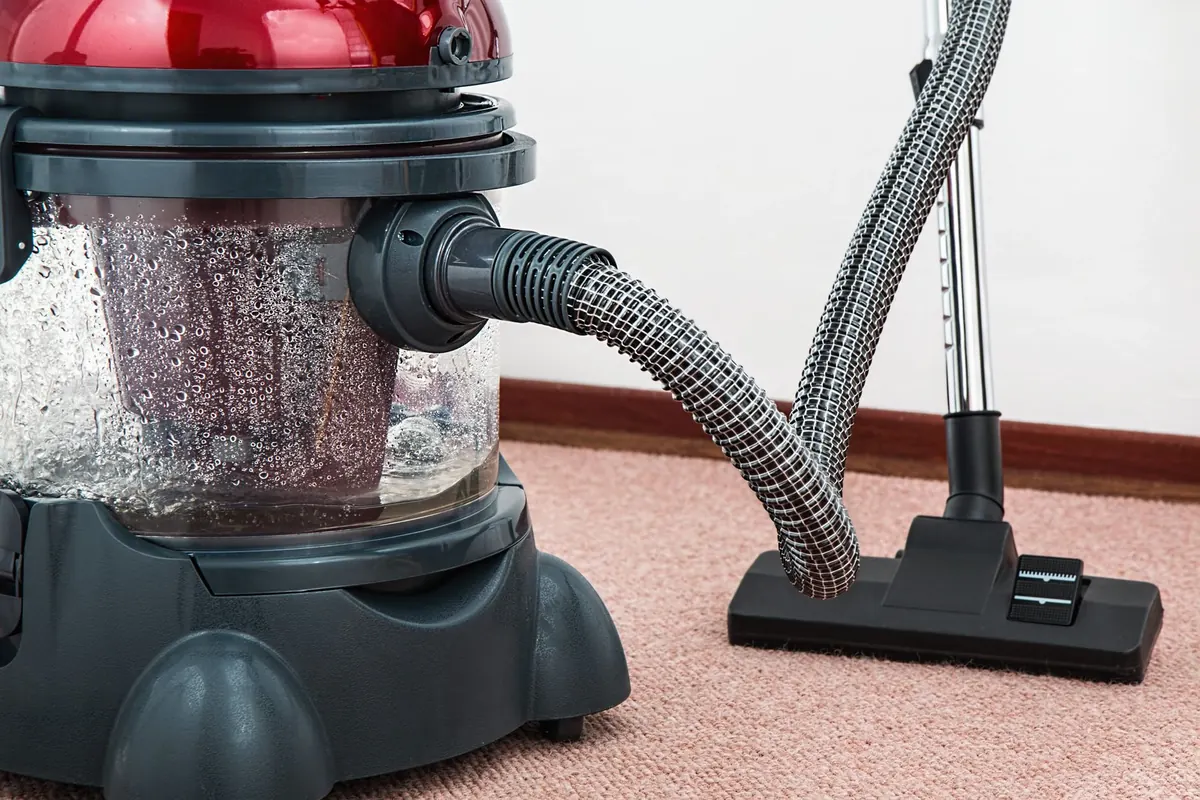
Book carpet cleaning for a dry, breezy week so it dries quickly. Wipe patio door tracks, which collect grit and insects, and give conservatory frames and blinds a full clean.
Scrub grout and re-seal joints that have gone black or crumbly. Descale the shower head by soaking it in a suitable descaler, and clear hair from plugholes and the U-bend.
Defrost the freezer, vacuum the condenser coils at the back of the fridge, and empty dry goods cupboards to check for flour moths or weevils. If you have a wood burner or open fire, book a chimney sweep before autumn.
Pick four dates now — one at the start of each season — and put them in the diary like appointments. Aim for ninety minutes rather than a whole day, and accept that you will not finish everything. Choose the two or three tasks that matter most for the season ahead and let the rest wait.
Keep a caddy of cloths, a neutral cleaner, a descaler, bicarbonate of soda and white vinegar so you are not hunting for supplies mid-job. If a task keeps sliding, such as carpets, oven interiors or deep grout, bringing in a professional cleaner for those jobs once a year is a sensible use of money — they will have the equipment and will finish faster. Everything else, the quarterly rhythm will handle.
Photo: Bru-nO / Pixabay